AI Chatbot for OXID eSales Shops
OXID shops are usually built properly, by an agency, for a catalogue with real complexity behind it. One snippet adds an assistant that answers from your own data and documents — without a module to install, a theme to touch, or a release to wait for.
Try it on your own shop for free
Enter your OXID shop URL and see how an AI assistant would answer your customers
See It In Action
For OXID shops with technical catalogues, business buyers and an agency release cycle
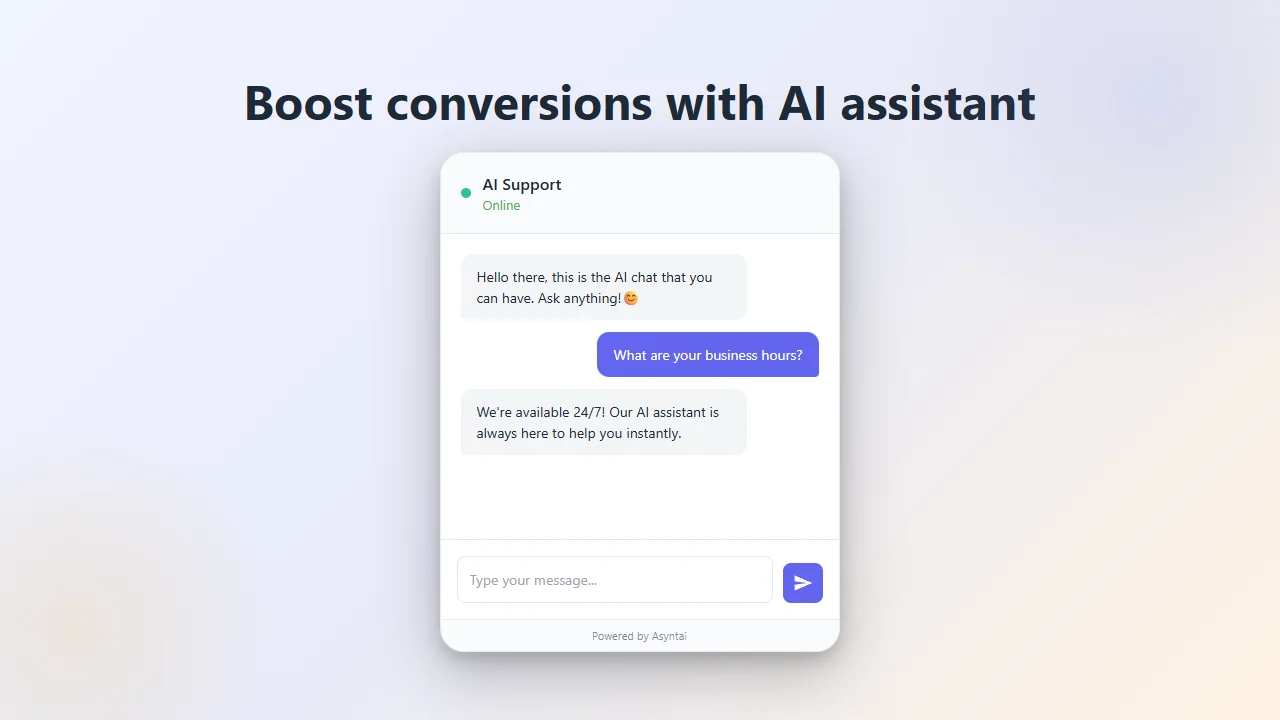
No Module, No Release Cycle
Adding a module means a ticket, a test system, a release window and an agency invoice. This is a snippet in your custom-code area instead: it goes live the day you decide to try it, and if you change your mind you remove one line.
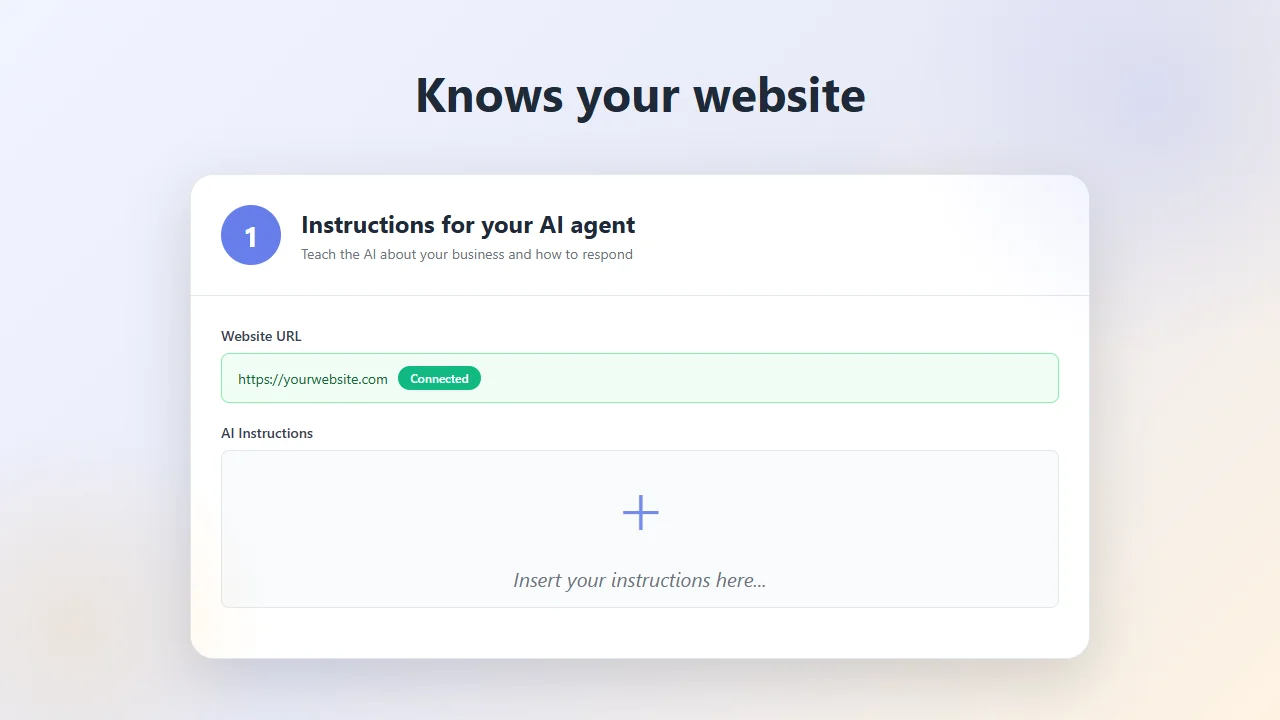
Answers at Specification Level
Technical catalogues live or die on detail: dimensions, tolerances, materials, compatibility, delivery classes. The assistant answers from your product data and uploaded data sheets, and states plainly when something is not documented rather than approximating it.
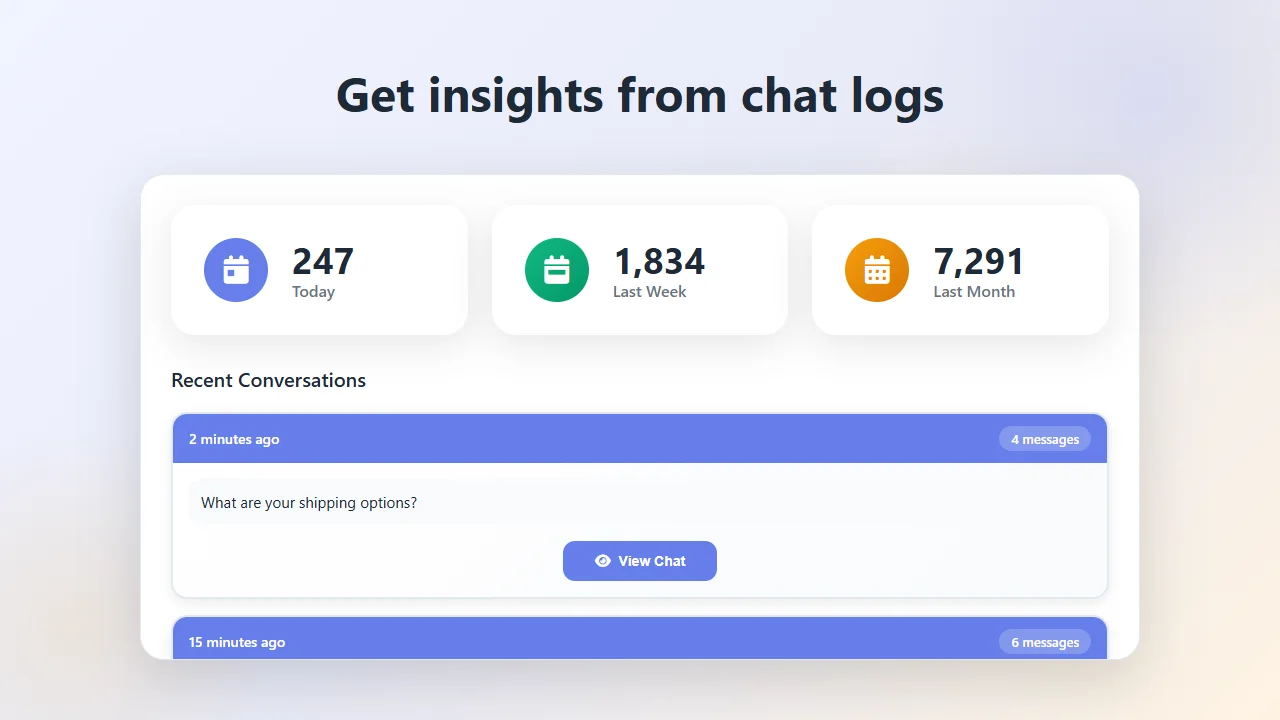
Made for Business Buyers
Procurement researches in the evening and asks about quantity pricing, delivery reliability, invoice terms and documentation. The assistant answers what you have published and captures the rest as a properly detailed enquiry for your sales team.
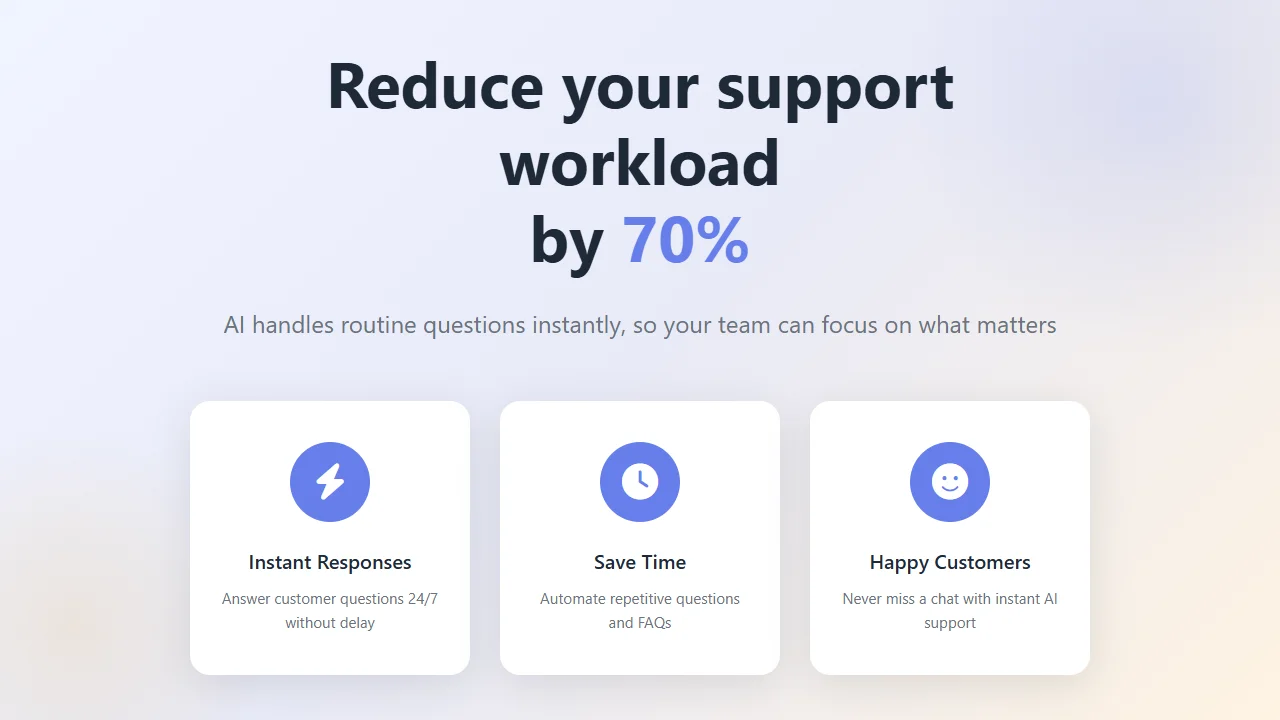
One Shop, Several Markets
Multi-language OXID shops usually outgrow their support long before their catalogue. The assistant detects each visitor’s language and answers in it across 36 languages, using the same underlying product information.
Survives Your Next Upgrade
Because nothing is installed in the theme or as an extension, an OXID upgrade has nothing to break. Your agency does not need to re-apply it, re-test it, or budget for it in the next sprint.
Have any questions? Try our AI chatbot right now
Ask it anything - it is live on this page
Built for OXID eSales Merchants
One snippet, live shop-wide. No module, no theme edit, no release needed.
Live in Minutes, Not in a Sprint
Paste the snippet into your custom-code area and save. No extension to install, no deployment to schedule, no agency ticket to raise.
Exact, Not Approximate
Answers come from your product data and uploaded documents only, which is the standard a technical or regulated catalogue has to meet.
Qualifies B2B Enquiries
Quantity, requirement and contact details are captured before anything reaches your team, turning vague messages into workable enquiries.
German, English and 34 More
Language is detected per visitor, so export customers get the same quality of answer as domestic ones from one set of content.
Rules Enforced Every Time
Tell it never to quote delivery dates, or to always route warranty topics to a policy page, and it complies in every single conversation.
Refuses to Improvise
When your data does not contain the answer, it says so. That is what keeps a chatbot from generating returns and disputes.
Simple OXID Integration
One snippet covers your whole OXID shop. Nothing is installed into the theme and no extension is required.
-
1
Sign up and copy your snippet
Create your Asyntai account, add your shop URL so the AI can read your catalogue and policy pages, then copy the snippet from your dashboard.
-
2
Open your shop’s custom-code area
Use the place your shop already loads custom scripts from — the same one used for analytics or a consent tool.
-
3
Paste it before the closing body tag
Loaded at the end of the page, the script applies shop-wide instead of per page, including category and detail pages.
-
4
Save and it is live
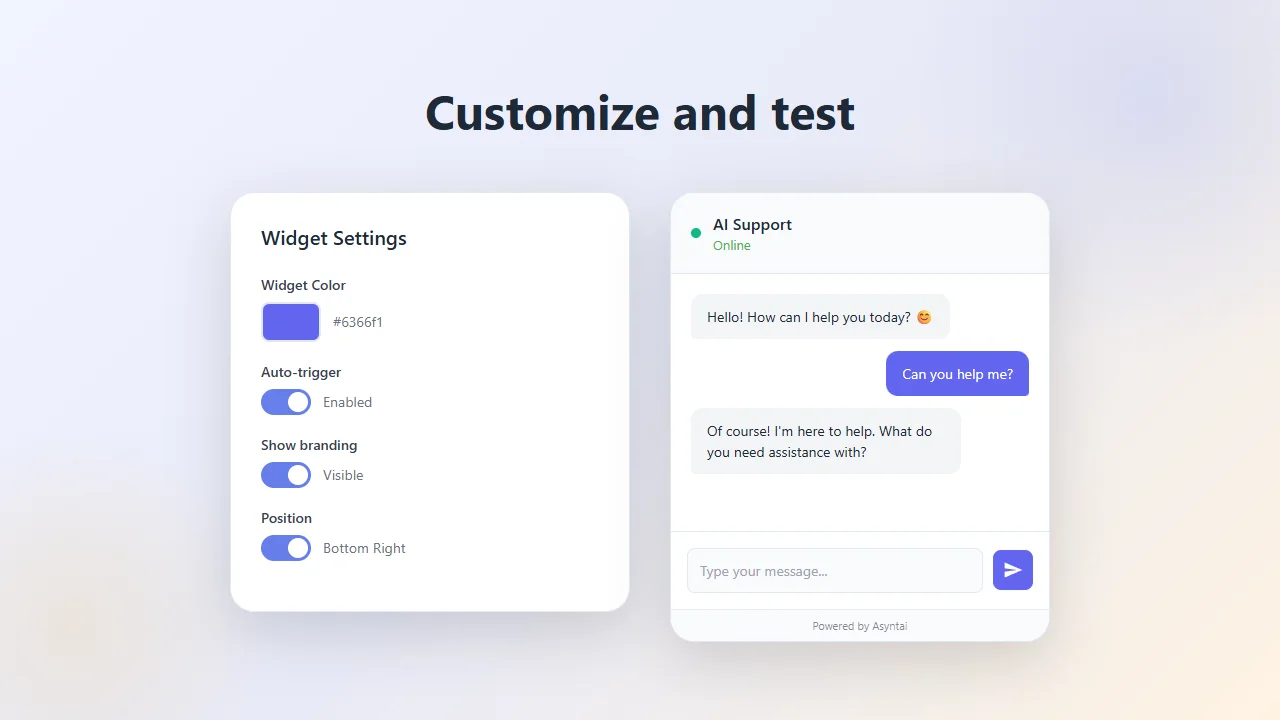
The assistant answers from that point. Tone, rules, documents and widget colours are all configured in the dashboard afterwards.
Sign up free and get your personalised snippet instantly - paste it once and the widget is live
Why OXID Shop Operators Choose Asyntai
Start free with 50 messages, upgrade as enquiry volume justifies it
No Development Budget Needed
Trying it costs a paste, not a project. That removes the usual barrier to testing anything on a shop that runs through an agency release process.
Specialist Time Spent on Specialist Work
Recurring specification, delivery and returns questions are answered on the page, so your product experts handle the enquiries that actually need them.
Export Enquiries Without Export Staff
Every visitor is answered in their own language at their own hour, so entering another market does not start with a support gap.
Frequently Asked Questions
What OXID operators and their agencies ask first
What an AI Assistant Adds to an OXID Shop
The Barrier Is Process, Not Interest
Shops built on OXID are usually maintained properly: a staging system, an agency, a release rhythm, someone accountable for what goes live. That discipline is the reason the shop is stable, and it is also why good ideas sit in a backlog for a quarter. Anything that requires an extension has to earn a place in a sprint before it can be evaluated at all.
A snippet sidesteps that entirely. It can be tried on a Tuesday, judged on real conversations by Friday, and removed in a minute if the answer is no. Nothing enters the codebase, so nothing has to be reviewed, deployed or maintained in order to find out whether it helps.
Technical Catalogues Punish Vague Answers
Customers of an OXID shop are frequently specialists buying something specific: a part with a tolerance, a component that must match an existing installation, an item whose delivery class matters. A plausible-sounding but wrong answer does not just annoy them — it produces a return, a complaint, and sometimes a warranty argument.
That is why the important property of a chatbot here is restraint. The assistant works from your product data and your uploaded documents, and it says when something is not documented instead of filling the gap. Less impressive in a demo, considerably cheaper in practice, and the only behaviour that suits a catalogue where precision is the product.
Procurement Does Not Keep Office Hours
Business buyers research when they finally have a quiet hour, which is rarely between nine and five. They arrive with questions about quantity pricing, lead times, documentation and invoice terms, and they compare two or three suppliers in the same sitting. Whoever answers first shapes the specification.
An assistant covering those hours answers the documented part immediately and captures the rest properly: quantity, requirement, contact details, context. Your sales team starts the next morning with a qualified enquiry instead of a message that says "please call me", and the buyer has already been told when to expect a reply.
One Set of Content, Every Market
Multi-language shops usually run ahead of their support capacity. The catalogue is translated, the checkout works, the traffic arrives — and then the first enquiry in a language nobody staffs sits unanswered for two days, which quietly caps how far that market can grow.
Because language is detected per visitor and answers are generated from the same underlying content, support stops being the constraint on expansion. An export customer gets the same technical accuracy as a domestic one, in their own language, without a second support process or a translated FAQ to keep in sync.
Nothing for the Next Upgrade to Break
Every extension is a future compatibility question. Agencies weigh that honestly: each addition is something to test at the next major version, and a tool that saves an hour a week but costs a day per upgrade is not obviously worth keeping.
This has no upgrade cost. The snippet is not part of the theme and not an extension, so a version jump leaves it untouched and nobody has to schedule a re-test. Everything that shapes behaviour — knowledge, tone, rules, appearance — lives outside the shop in a dashboard, which is exactly where a shop operator wants it.
Ready to Add an AI Assistant Without a Release?
Start free with 50 messages and see what your own catalogue can answer on its own.