AI Chatbot for SvelteKit Applications
SvelteKit ships remarkably little to the browser, and that is the point. The assistant is one tag in app.html, loaded after your content, adding nothing to the bundle you worked to keep small.
Try it on your own site for free
Enter your SvelteKit site URL and see how an AI assistant would answer visitors
See It In Action
For teams who chose SvelteKit for its output size
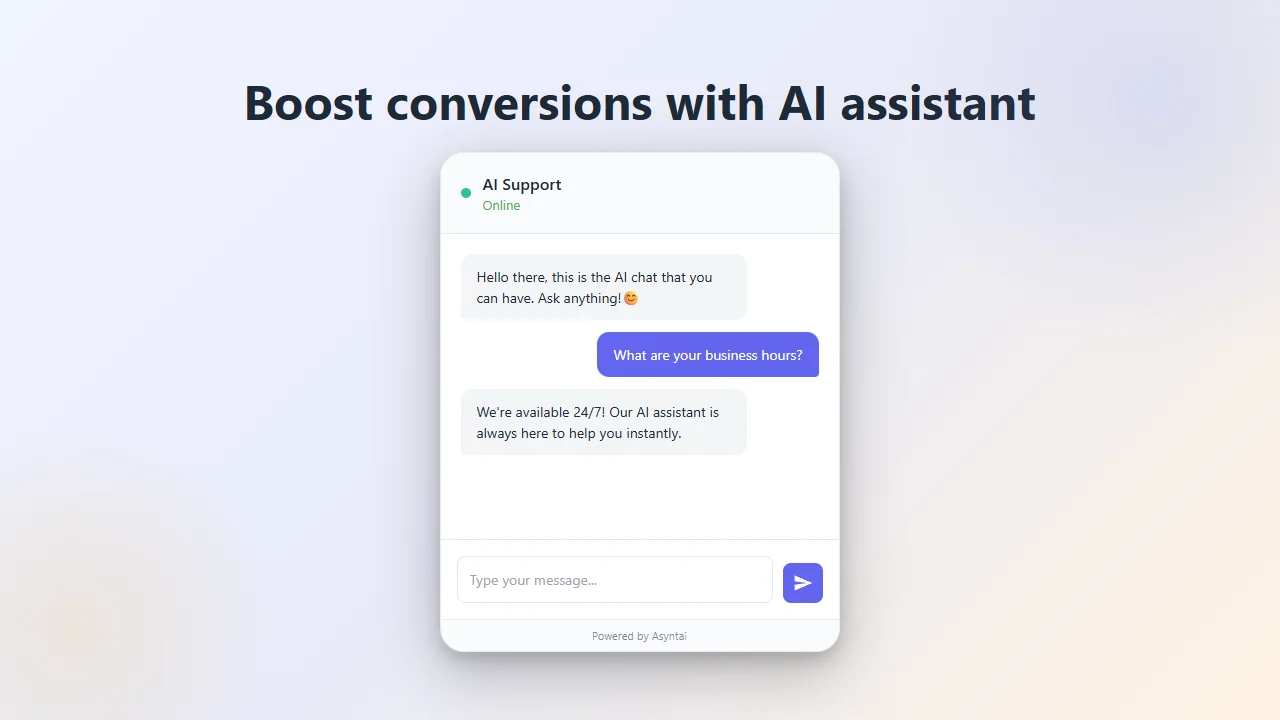
Bundle Size Untouched
Nothing is imported, so nothing is compiled in. The script arrives at runtime from a CDN, which means your build output is byte-for-byte what it was before.
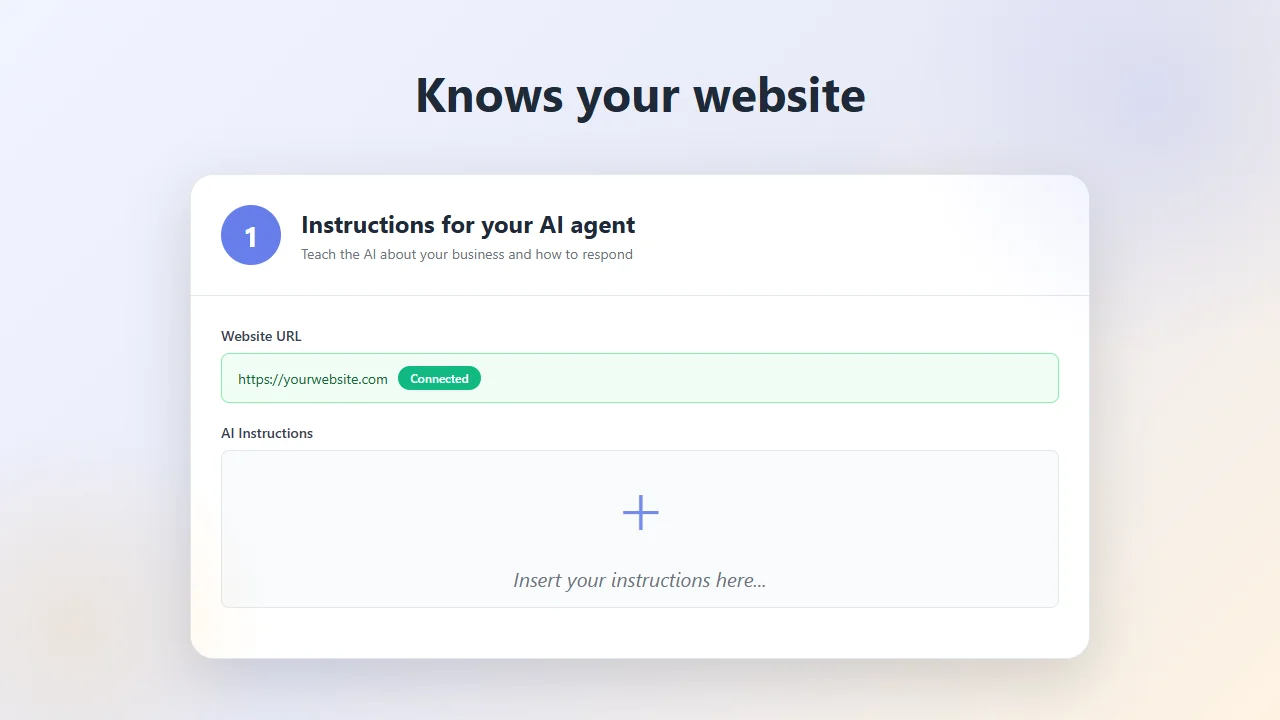
One Tag in app.html
The shell template is the natural home for third-party tags. Add it there and every route inherits it, with no layout changes and no load functions involved.
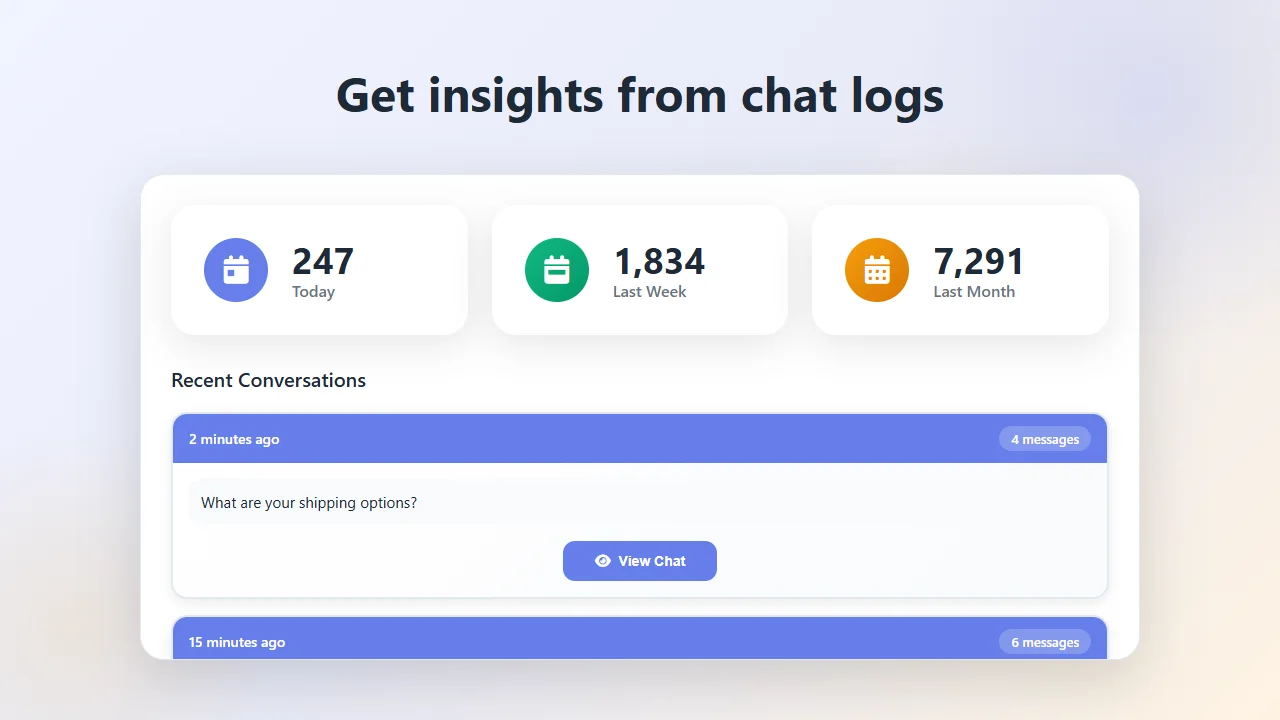
Independent of Load Functions
It does not touch your data flow, does not run in load, and does not care whether a page was server-rendered or client-navigated.
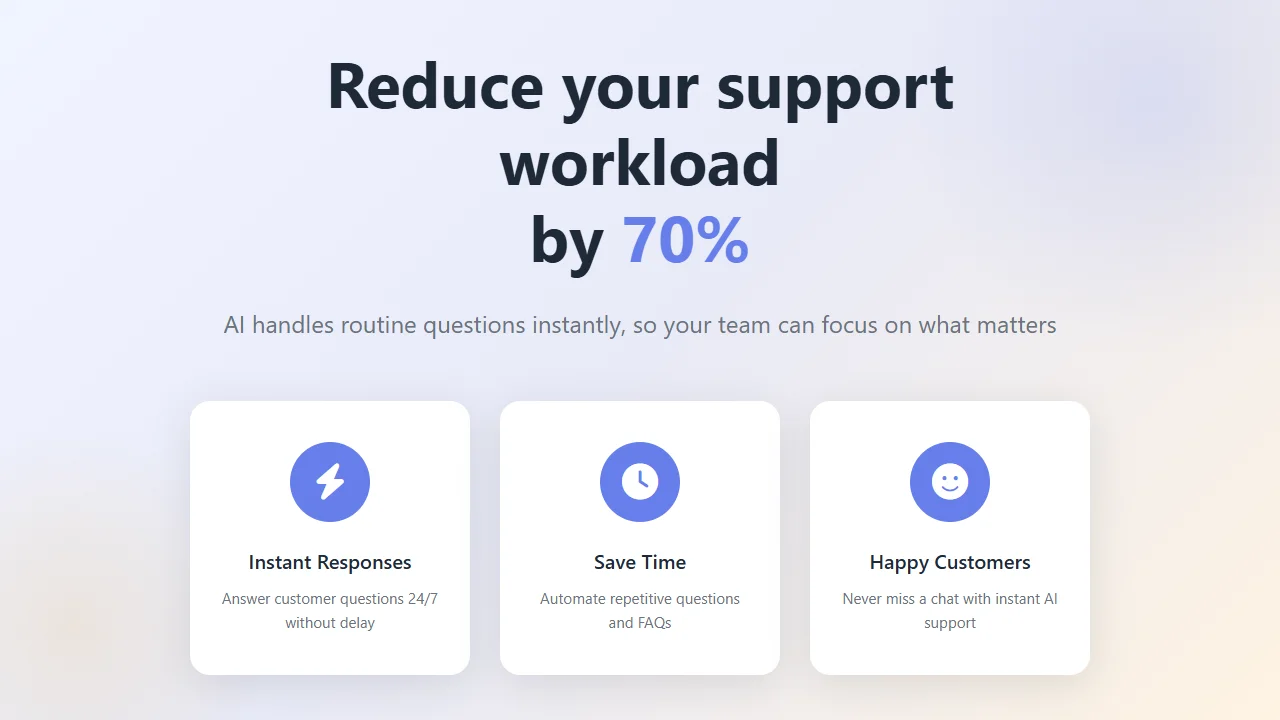
Answers Docs and Product Questions
The specific questions your pages deliberately leave out — limits, integrations, migration paths — answered in the moment rather than in an email thread.
Thirty-Six Languages
Detected per visitor, with no changes to routing or hooks.
Have any questions? Try our AI chatbot right now
Ask it anything - it is live on this page
Built for SvelteKit Merchants
One tag in app.html. Nothing imported, nothing bundled.
Zero Bundle Impact
No import means no compiled code and no change to your build output.
Shell Template Only
app.html covers every route without touching layouts or hooks.
Deferred Load
Under 50KB, fetched after your content is interactive.
Reads Published Pages
No coupling to load functions, stores or endpoints.
36 Languages
Selected from the visitor’s message with no configuration.
No Fabrication
It answers from your content and admits gaps rather than inventing.
Simple SvelteKit Integration
One tag in app.html covers every route. Nothing enters your dependencies.
-
1
Sign up and copy your snippet
Create your account, add your site URL so the crawler can read your pages, then copy the snippet.
-
2
Open src/app.html
Place the tag just before the closing body tag, alongside any analytics you already load there.
-
3
Build and deploy
The tag ships in the shell; no adapter-specific work is needed.
-
4
Configure in the dashboard
Tone, rules, documents and appearance are managed outside the repository.
Sign up free and get your personalised snippet instantly - paste it once and the widget is live
Why SvelteKit Teams Choose Asyntai
Start free with 100 messages, upgrade as traffic grows
Keeps the Trade-Off You Made
You chose a small-output framework; this does not quietly undo that decision.
No Package to Maintain
Nothing in package.json means nothing to upgrade or audit.
Converts Marketing Routes
Objections answered in the moment convert visitors a static page would lose.
Frequently Asked Questions
What SvelteKit developers ask first
What an AI Assistant Adds to a SvelteKit App
Output Size Was the Reason
Teams pick SvelteKit because the compiled result is small and fast. Every dependency added afterwards is measured against that decision, and most third-party widgets fail the comparison badly.
A runtime script is not compiled in at all. The bundle you ship stays the bundle you ship, and the assistant is fetched separately, after the page is already useful.
The Shell Is the Right Place for Third Parties
app.html exists precisely so that things which are not part of your component tree have somewhere to live. Analytics goes there; so should this.
That keeps the assistant out of layouts, out of hooks and out of your data flow, which means nothing about it complicates the parts of the app you actually maintain.
Docs Readers Do Not Search Well
A reader with an error message searches for that message. Your docs describe the concept, not the symptom, so search returns nothing and they leave.
Answering conversationally bridges the vocabulary gap, and the recurring questions become a short list of pages worth rewriting.
Frameworks Change, Tags Do Not
Front-end stacks get replaced every few years. Integrations coupled to a framework become migration tasks, and migration tasks are where useful tools get dropped.
A plain tag survives any rewrite. Whatever renders your next site, it keeps working unchanged.
Small Teams Need Zero-Maintenance Tools
Anything requiring periodic attention loses to shipping work. Tools survive in small teams only when they need none.
There is no version to track and no configuration in the repo. Changing behaviour happens in a dashboard, not in a deploy.
Ready to Add Support Without Touching the Bundle?
Start free with 100 messages and keep your output exactly as small as it is.