AI Chatbot for Sitejet Websites
If you build sites for clients, an assistant is something you can add to each one in a minute and charge for. One custom code entry per site, answering from that client’s own pages, in 36 languages.
Try it on a client site for free
Enter a site URL and see how an AI assistant would answer that client’s visitors
See It In Action
For agencies and freelancers maintaining a portfolio of Sitejet sites
A Service You Can Resell
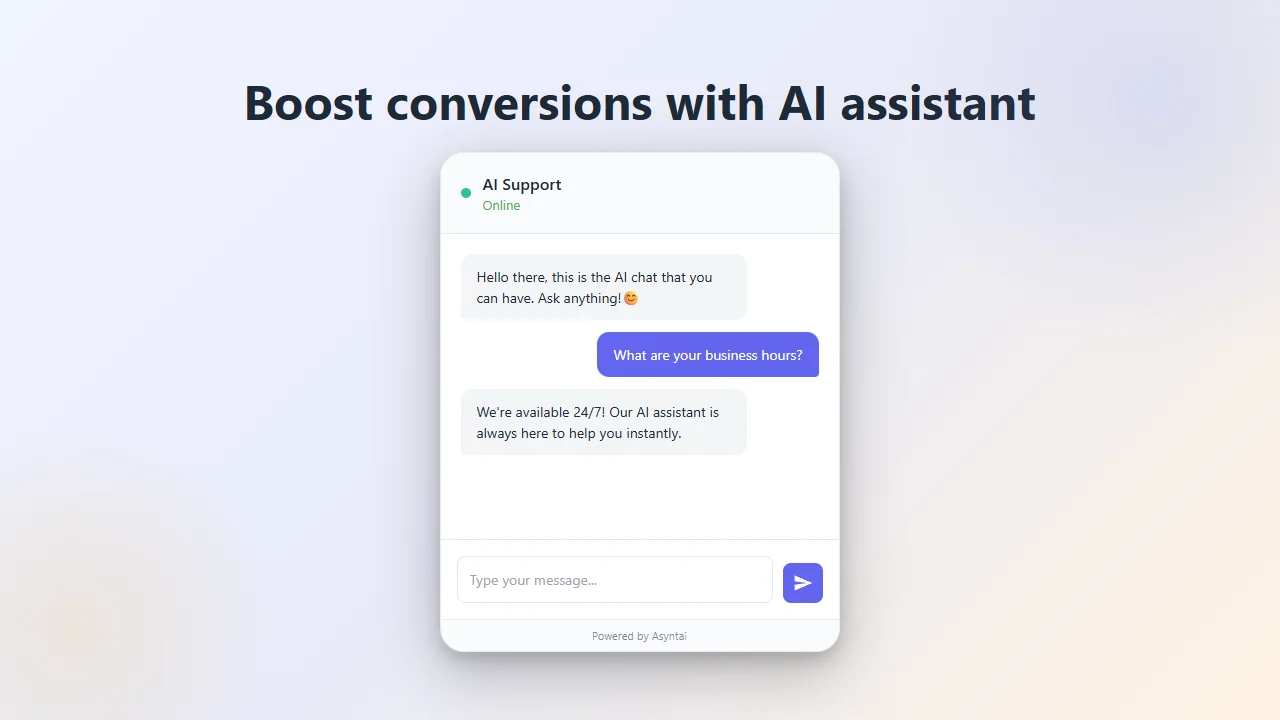
Clients keep asking for more value from the same site. An assistant is something concrete you can add in minutes, demonstrate immediately, and bill for monthly without taking on support work yourself.
One Custom Code Entry Per Site
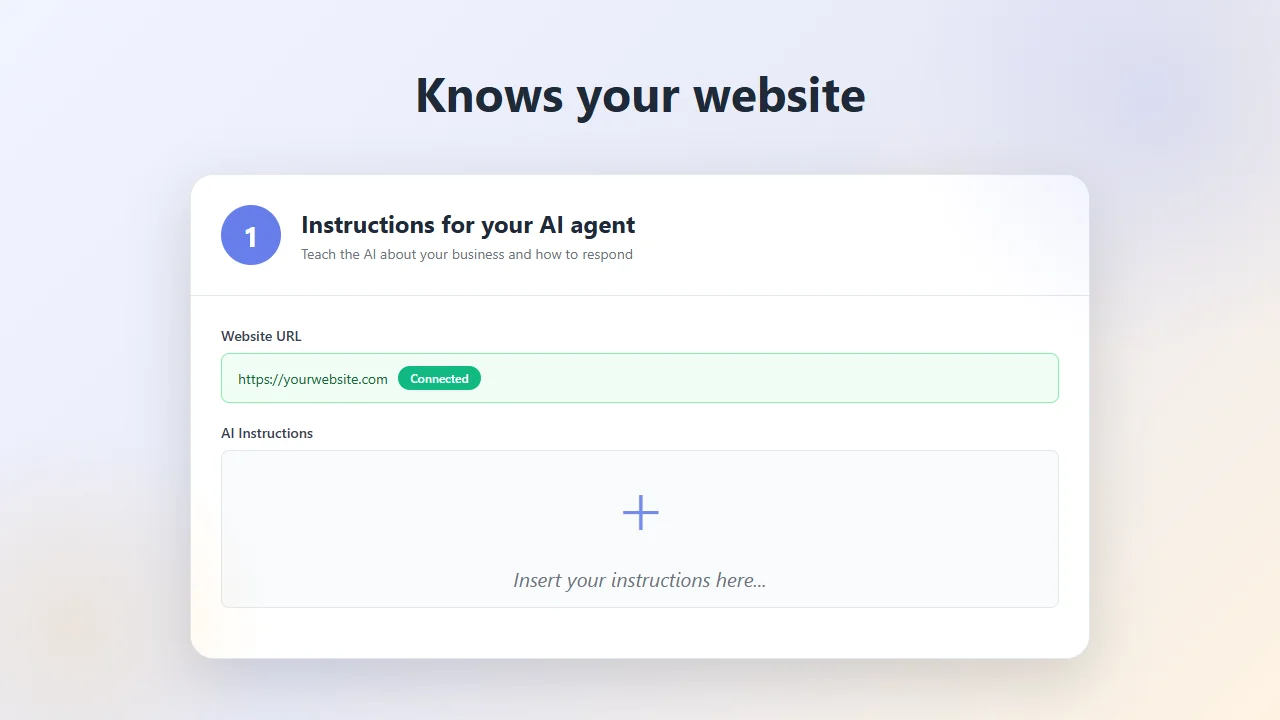
Sitejet supports custom HTML, CSS and JavaScript, so deployment is a paste per site. Nothing about your build process changes and nothing needs maintaining afterwards.
Each Client Keeps Their Own Knowledge
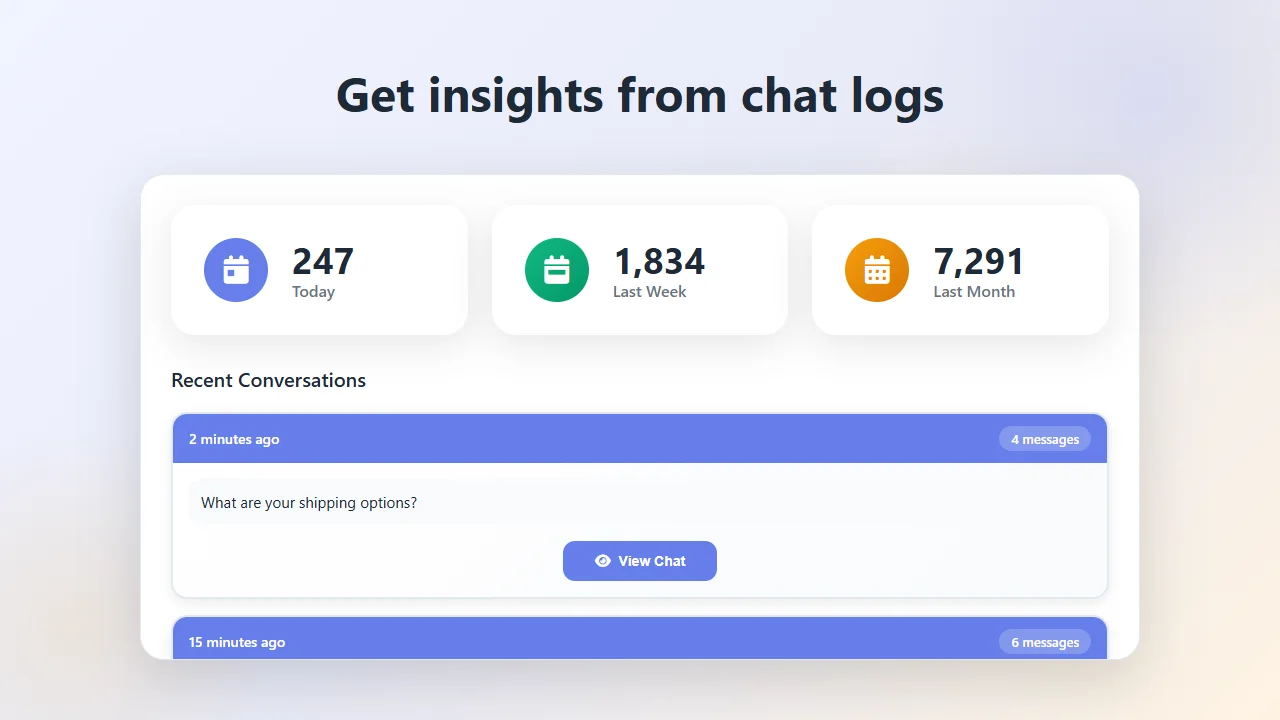
Every site gets a separate knowledge base and instructions, so a restaurant answers about menus and a law firm about consultations. Nothing bleeds between clients.
Fewer Client Support Requests to You
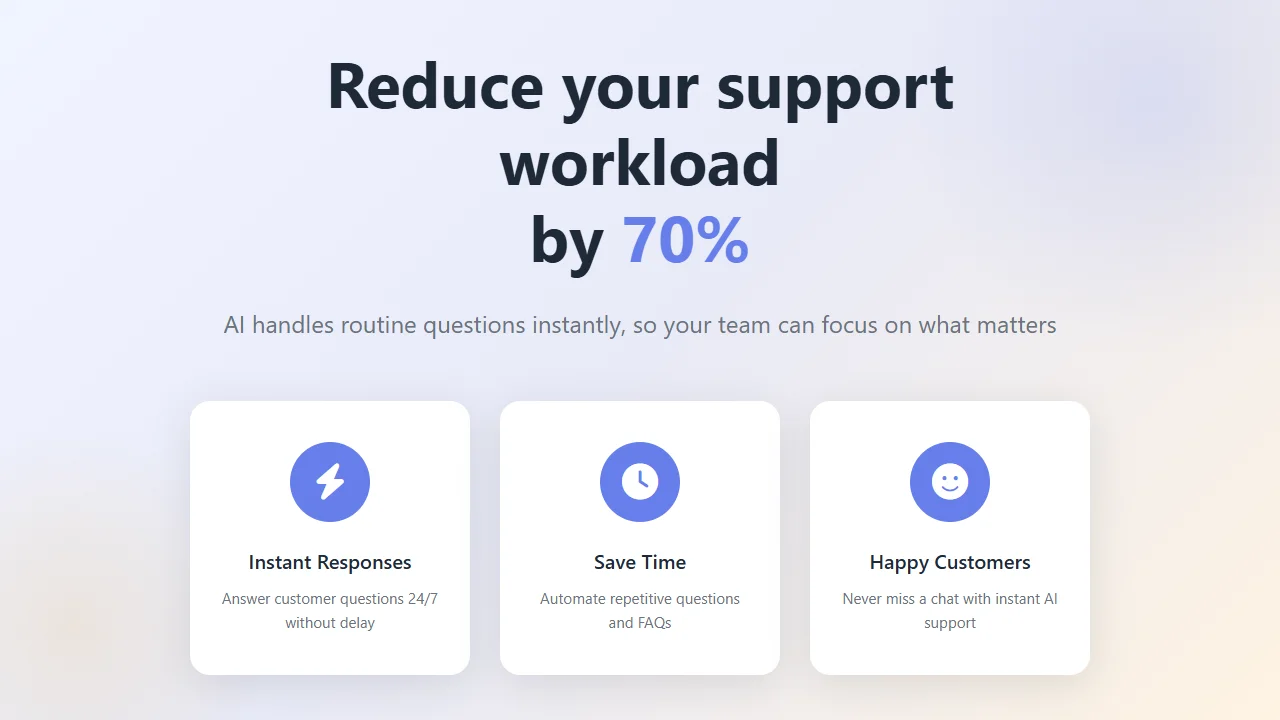
Clients forward visitor questions to the agency more often than they admit. When their site answers those itself, that queue shrinks.
Works on Any Kind of Client Site
Restaurants, clinics, trades, studios, small shops. It answers from whatever that client publishes rather than assuming an industry.
Have any questions? Try our AI chatbot right now
Ask it anything - it is live on this page
Built for Sitejet Merchants
One custom code entry per site. Separate knowledge base per client.
Paste and Done
Custom HTML, CSS and JavaScript is supported, so deployment takes a minute per site.
Multiple Client Sites
Each with its own instructions and knowledge base. Pro covers up to 20 sites on one account.
Something to Bill For
A concrete, demonstrable addition to a maintenance plan rather than another vague retainer line.
36 Languages
Detected per visitor, useful for clients with international or bilingual audiences.
Leads for Your Clients
Enquiries arrive with names, contacts and details, which is the outcome clients actually measure.
Answers Only From Their Content
No invented prices or promises, which protects both the client and you.
Simple Sitejet Integration
One custom code entry per site. Nothing changes in your build process.
-
1
Create the site profile in Asyntai
Add the client site URL so the AI can read its pages, then copy the snippet from your dashboard.
-
2
Open the custom code area in Sitejet
Sitejet supports custom HTML, CSS and JavaScript for the site.
-
3
Paste the snippet so it loads on every page
Placed at the end of the document it applies site-wide.
-
4
Publish
The assistant answers on that client site. Repeat per client, each with its own instructions.
Sign up free and get your personalised snippet instantly - paste it once and the widget is live
Why Agencies on Sitejet Choose Asyntai
Start free with 100 messages, then scale across client sites
Recurring Revenue From Existing Clients
A demonstrable improvement you can add to a maintenance plan without additional delivery work.
Less Forwarded Support
When client sites answer visitor questions themselves, fewer of those questions arrive in your inbox.
Minutes Per Site
Deployment is a paste, so rolling it across a portfolio is an afternoon rather than a project.
Frequently Asked Questions
What agencies ask before rolling it out
What an AI Assistant Adds to an Agency Portfolio
Clients Want More Value From the Same Site
A site launches, the invoice is paid, and then the relationship becomes maintenance: small edits, hosting, occasional fixes. Clients rarely see that as valuable, which makes retainers hard to defend.
An assistant is something visibly new that costs you minutes to deploy. It is easy to demonstrate, easy to attribute value to, and it gives a maintenance plan something the client can actually point at.
Deployment Time Decides Whether You Bother
Agencies avoid tools that need per-client configuration projects. If rolling something out across thirty sites takes a week, it never happens, regardless of how good it is.
A paste per site changes that calculation. You can add it to a portfolio in an afternoon, and each client’s assistant learns from their own site without you writing content for it.
Separation Matters More Than Features
The nightmare with shared tooling is leakage: one client’s pricing mentioned on another client’s site. It only has to happen once to cost a relationship.
Keeping a distinct knowledge base and instruction set per site removes that risk structurally. A restaurant answers about opening hours, a clinic about appointments, and neither knows the other exists.
Client Support Quietly Becomes Your Support
Visitors email the address on the site, the client forwards anything unclear to the agency, and you end up answering questions about a business you do not run.
When the site answers those itself, that queue shrinks noticeably. The requests that still reach you are actual site work rather than customer service by proxy.
Every Client Is a Different Business
A portfolio spans trades, clinics, restaurants, studios and small shops, and each has entirely different visitor questions. A rigid ecommerce-shaped tool fits almost none of them.
Because the assistant reads whatever the site publishes, it adapts to each business without configuration. That generality is what makes it deployable across a portfolio rather than to one client.
Ready to Roll AI Assistants Out Across Your Portfolio?
Start free with 100 messages and add one to your next client site in minutes.