AI Chatbot for Readymag Sites
Add a quiet AI assistant to your Readymag portfolio or studio site. It fields visitor enquiries, captures commission and project leads, and handles press and contact questions — all while your design stays exactly as you built it.
Try it on your own website for free
Enter your URL and see how an AI assistant would work on your site
See It In Action
Built for designers, studios, artists, and photographers who want their Readymag site to talk back — without hiring help or watching an inbox
Turn a Curious Visitor into a Real Enquiry
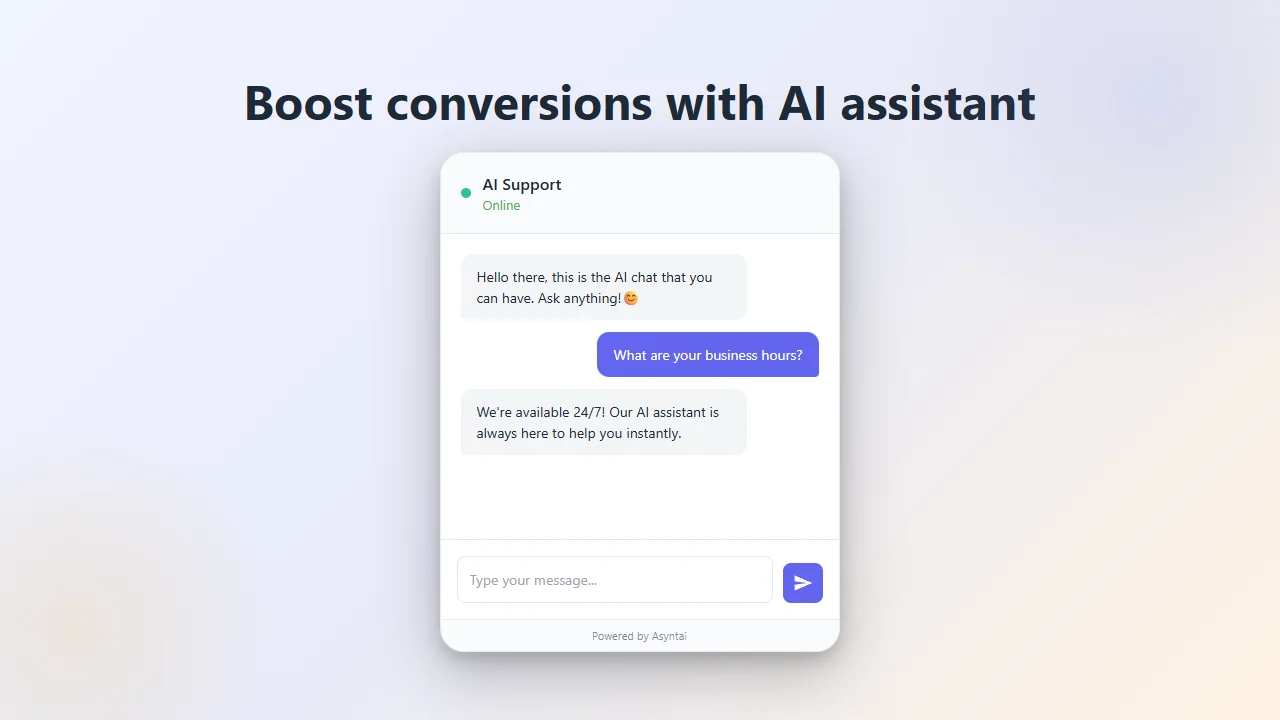
Someone lands on your portfolio, scrolls through three projects, and wonders whether you take on work like theirs. Rather than hunting for a contact form buried at the bottom, they ask the assistant and hear back at once — what you do, who you work with, and how to start a conversation. A passing glance becomes a named lead in your inbox.
It Knows Your Work, Not Just Your Bio
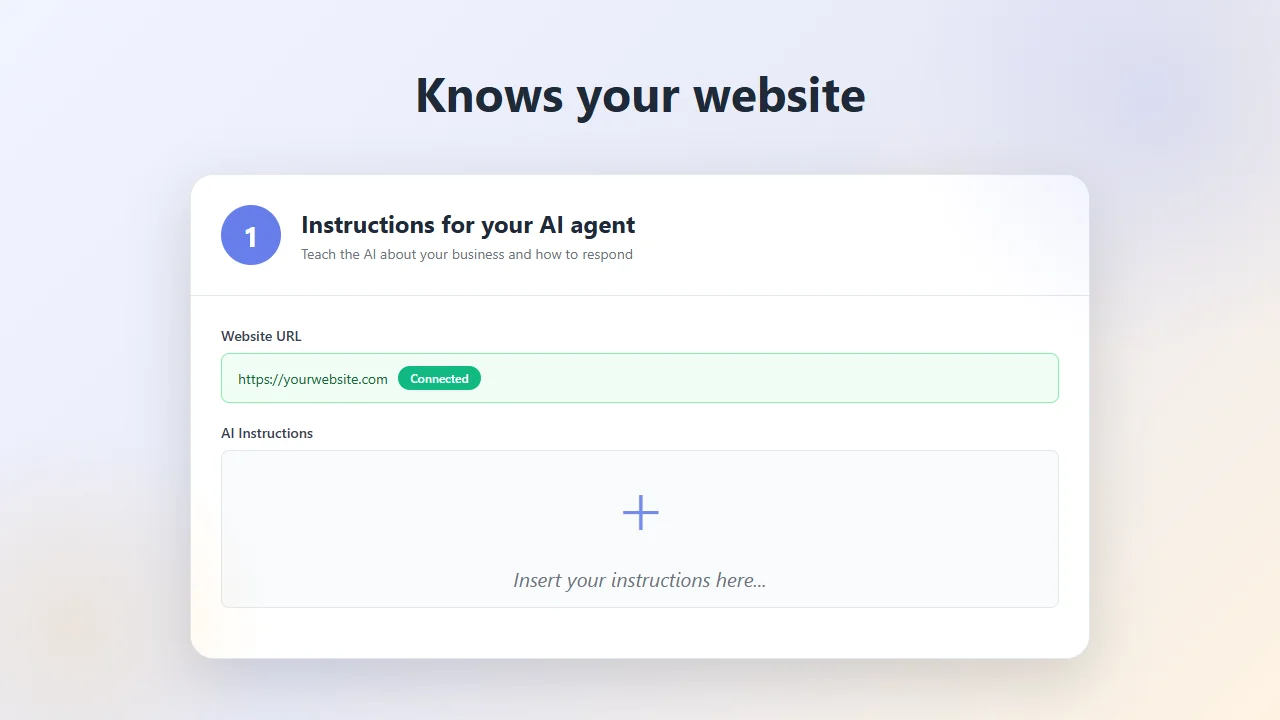
Point Asyntai at your Readymag site and it absorbs your project pages, your about text, and your contact details. Because so much of a design site lives in imagery, you can also upload a services overview, a rate card, or a press kit as PDFs — so the assistant can speak confidently about the things your visuals show but never spell out in words.
See What Visitors Actually Came to Ask
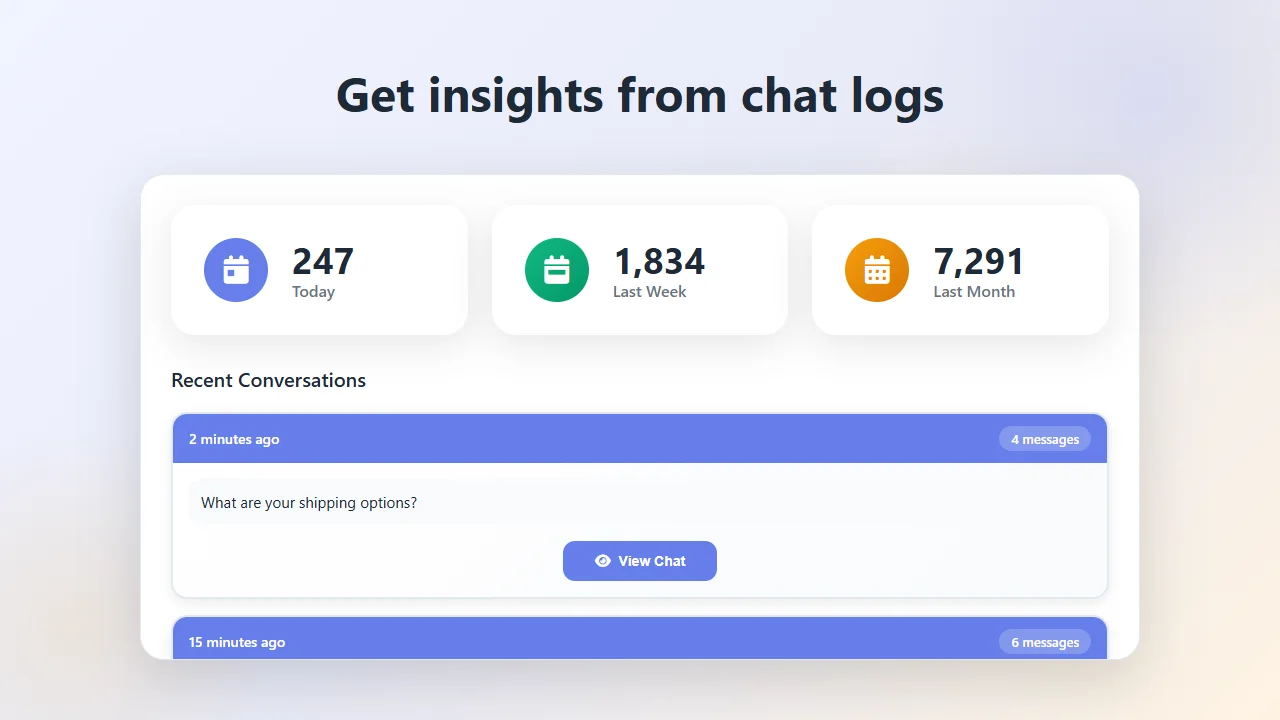
Read back through the conversations and a picture forms that no traffic chart will give you. Maybe everyone wants to know your turnaround time, or whether you shoot on location, or if a past project is available as a print. Those recurring questions tell you exactly what to add to your next site, and which kind of work people keep coming to you for.
Field Press and Contact Questions on Its Own
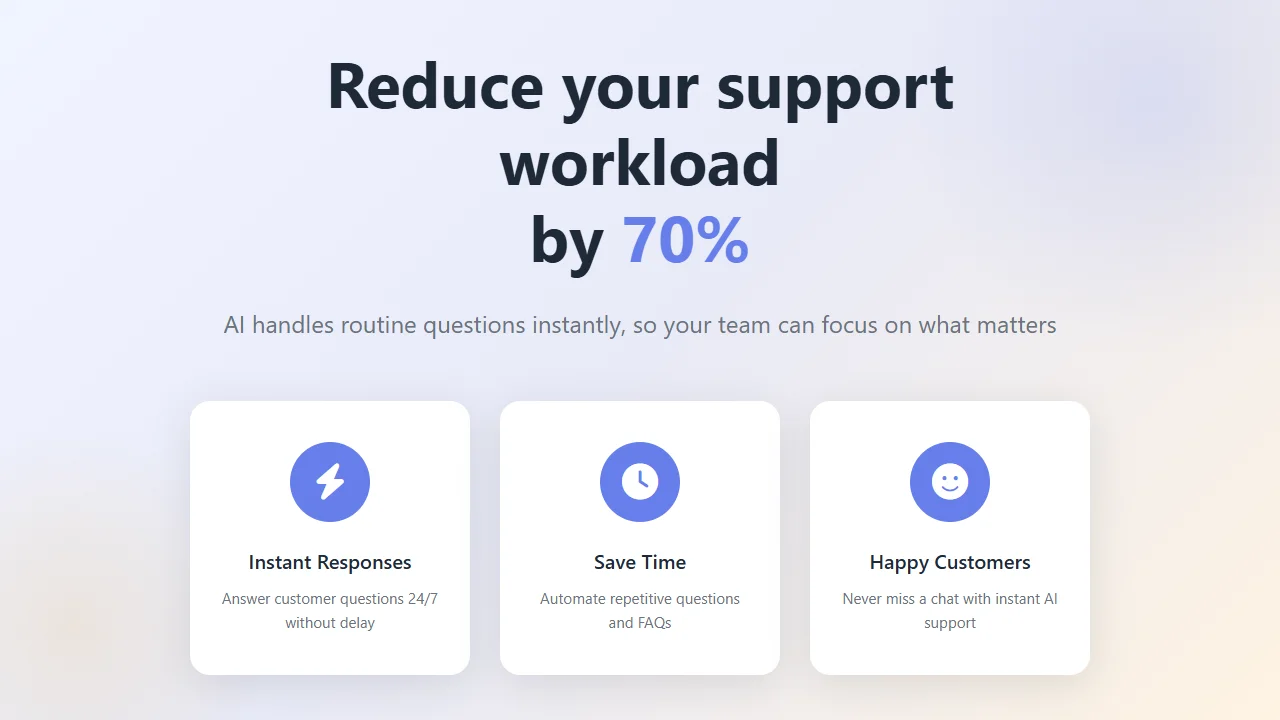
An editor needs a hi-res image and your credit line. A gallery wants your bio for a wall label. A potential client asks where you are based and whether you travel. The assistant handles these straightforward requests from your own material and points people to the right place, so the messages that reach you personally are the ones genuinely worth your time.
Tuned to Your Aesthetic
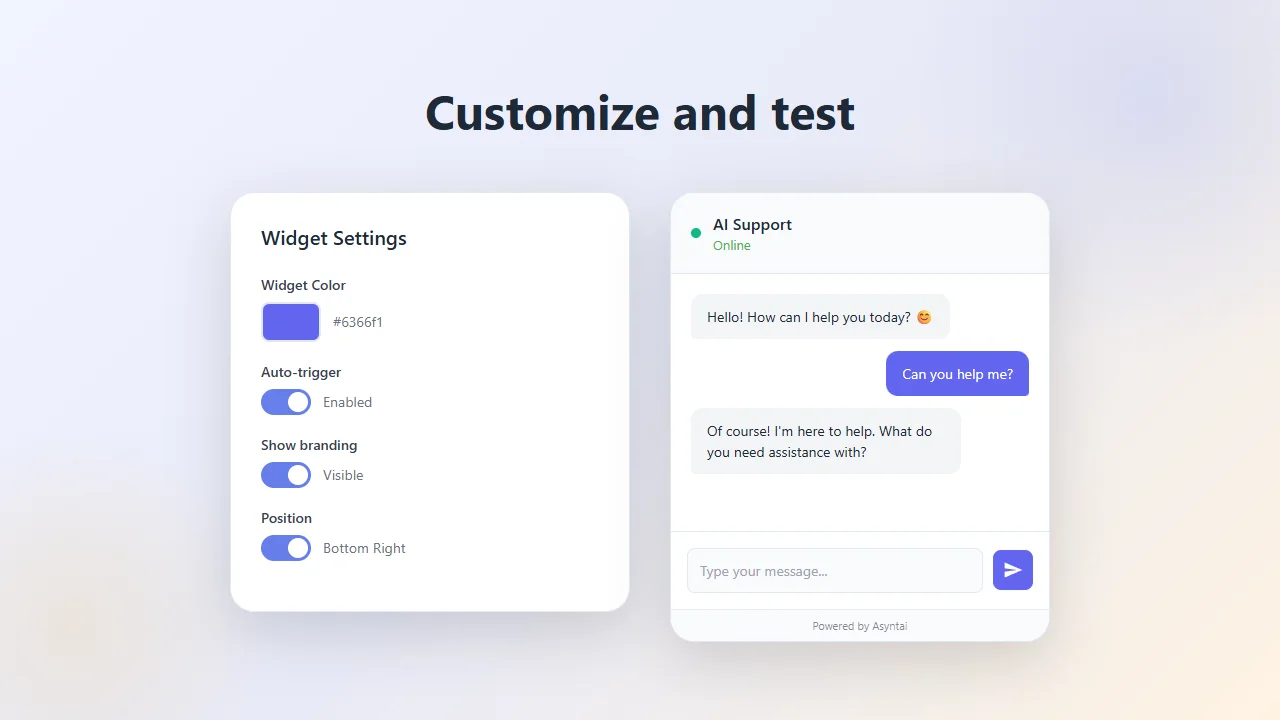
A design-led site lives and dies on details, so the assistant bends to yours. Set the accent color, choose which corner it rests in, write a welcome line in your own voice, and shape the tone of every reply. It stays a small bubble until someone reaches for it, leaving your typography, transitions, and full-bleed imagery untouched.
Have any questions? Try our AI chatbot right now
Ask it anything — it is live on this page
Made for Design-Led Readymag Sites
Pastes in through the Code Editor, respects your layout, and starts talking to visitors in minutes.
One Snippet, Then It Disappears
Drop a single line into Readymag's Code Editor and the assistant is live across every page. After that it tucks itself into a corner bubble and gets out of the way of your design.
Never Breaks the Visual Experience
Your scroll effects, full-screen imagery, and carefully set type are the whole point of a Readymag site. The assistant overlays them without reflowing a single element, staying collapsed until a visitor decides to open it.
Greets Visitors in Their Language
Creative work travels, and so do the people who find it. The assistant detects the visitor's language and replies in it, so an editor in Berlin and a gallery in Tokyo both get a fluent answer.
Speaks in Your Voice
Give it guidance like "send commission enquiries to my studio email" or "always mention I am booking from next quarter," and it holds that line in every conversation, matching the tone you use everywhere else.
Catches Leads You Would Have Missed
Plenty of visitors admire the work, then close the tab without ever reaching the contact page. The assistant meets them mid-scroll, answers the one thing holding them back, and collects their details so the enquiry actually lands with you.
Only Your Work, Nothing Invented
It answers strictly from your pages and uploaded documents. It will not invent a service you do not offer, quote a price you never set, or wander off topic. When it does not know, it says so and hands the visitor to you.
Adding It in Readymag
Readymag lets you add custom code to a whole project through its Code Editor. Paste the Asyntai snippet once and the assistant appears on every page. (Custom code runs on Readymag's paid plans, and works in Preview mode on Free so you can test first.)
-
1
Sign up and copy your snippet
Create your Asyntai account, add your site URL so it can learn your content, and copy your unique snippet from the dashboard.
-
2
Open the Code Editor
In your Readymag project, click the gear icon to open project settings, go to the Code tab, and choose the Code Editor.
-
3
Paste before the closing body tag
Drop the snippet into the section before the closing </body> tag. Code added here applies across all pages of the project.
-
4
Save and republish
Press Save & Close to apply the change and republish. Your AI assistant is now live on every page of your Readymag site.
Sign up free and get your personalized integration code instantly
Why Readymag Creators Choose Asyntai
Start free with 100 messages, add more sites as your practice grows
More Briefs, Less Inbox Triage
Let the assistant deal with the "do you take on work like this?" and "where are you based?" messages so the conversations that reach you personally are real briefs worth scheduling, not routine questions.
A Helper That Respects the Work
Most support tools clutter a page. This one stays a single quiet bubble, so the craft you put into the layout, the imagery, and the pacing of your Readymag site is exactly what visitors experience.
More Commissions from the Same Visitors
A portfolio that can answer back turns admiration into action. When a visitor's one open question gets resolved on the spot, they are far more likely to leave their details instead of drifting away.
Frequently Asked Questions
Everything you need to know about adding an AI assistant to your Readymag site
An AI Assistant That Fits a Readymag Site
Why Design-First Sites Need a Different Kind of Helper
People reach for Readymag because it lets them build something that looks like nothing else — a portfolio that scrolls like a print spread, an editorial project with motion baked in, a studio site where the typography does half the talking. The trouble is that most chat tools were designed for support desks and online checkouts, and they land on a design site like a sticky note slapped across a painting. The boxy launcher, the canned branding, the way it shoves your layout around: all of it works against the very thing you spent weeks getting right.
An assistant built to sit alongside your work behaves differently. It waits in a single corner as a small mark, opens only when a visitor reaches for it, and otherwise leaves the stage entirely to your imagery and pacing. The visitor still gets a way to ask a question the instant one occurs to them; you keep the composition you designed. That balance is the whole reason to add one to a Readymag site rather than a generic widget.
The Enquiries a Portfolio Quietly Loses
Think about how most people move through a creative site. They arrive from an Instagram link or a referral, scan a few projects, feel a flicker of interest, and then hit a small wall of uncertainty. Do you take on work in their field? Are you free in the timeframe they need? Roughly what does a project like theirs cost? Where are you based, and does that matter? None of these are dramatic objections — they are just enough friction that a busy person closes the tab and tells themselves they will come back, which they rarely do.
A site that can answer in the moment changes that arc. The assistant draws on your own pages and any documents you have uploaded to give a real reply, then quietly collects the visitor's name and message so the thread reaches you. Instead of a contact form that only the most determined visitors ever fill in, you get a steady trickle of qualified enquiries from people who were curious but undecided — the exact group a static portfolio leaves behind.
Press, Galleries, and the Messages You Should Not Be Typing
For artists, photographers, and studios, a chunk of incoming messages are not commissions at all. An editor wants a high-resolution image and your preferred credit. A curator needs a current bio for a label or catalogue. A journalist asks for the year a piece was made or the materials behind it. These requests are easy to answer and tedious to keep answering, especially when they arrive while you are mid-project or away from your desk.
Give the assistant a press kit, a bio, and a set of standing instructions, and it can field this whole category on its own — pointing people to the right download, repeating the correct credit line, and flagging anything it is unsure about for you to confirm. The result is a site that handles its own administrative correspondence, so the messages that actually reach your inbox are the ones that deserve a personal reply.
It Speaks From Your Work, Not From the Internet
A real worry with any AI on a personal site is that it will improvise — invent a service you do not offer, guess a fee, or describe a project that does not exist. Asyntai is built around your material specifically to avoid that. It answers from the pages it has read and the files you have given it, and when something falls outside that knowledge it says so and hands the visitor over to you rather than filling the gap with a confident guess.
That restraint matters more for a creative practice than for almost any other kind of site, because your reputation is the product. You can shape exactly how the assistant sounds, what it should always mention, and where it should send particular enquiries, so it reads as a considered extension of your voice instead of a bolted-on bot. Reviewing the conversation logs over time also shows you, in your visitors' own words, what they keep wanting to know — quiet direction for the next iteration of your site.
Adding It Without Leaving Your Comfort Zone
You did not choose Readymag to wrangle code, and adding an assistant does not ask you to start. Readymag exposes a Code Editor in its project settings precisely so you can drop in third-party snippets, and Asyntai is one line pasted into exactly that place. Create an account, give it your site URL so it can learn your content, paste the snippet before the closing body tag, and republish. From then on every refinement — the accent color, the welcome line, the routing rules, the uploaded documents — happens in a plain dashboard.
One practical note worth knowing up front: custom code on Readymag is a paid-plan capability, and it also runs in the Preview mode of the Free plan, so you can see the assistant working on your own site before committing. Once it is live, it keeps learning as you add work and documents, growing more useful with each project you publish — all while staying firmly inside the visual, no-code way of working that drew you to Readymag in the first place.
Ready to Bring Your Readymag Site to Life?
Start free with 100 messages and see how a quiet AI assistant turns visitors into enquiries — without touching your design.