AI Chatbot for Reaction Commerce Storefronts
Headless means the storefront is yours and the backend is a service. An assistant should respect that boundary: one script tag in the front end, no GraphQL schema changes, no plugin on the API side.
Try it on your own storefront for free
Enter your storefront URL and see how an AI assistant would answer your customers
See It In Action
For teams running a headless storefront on Reaction Commerce
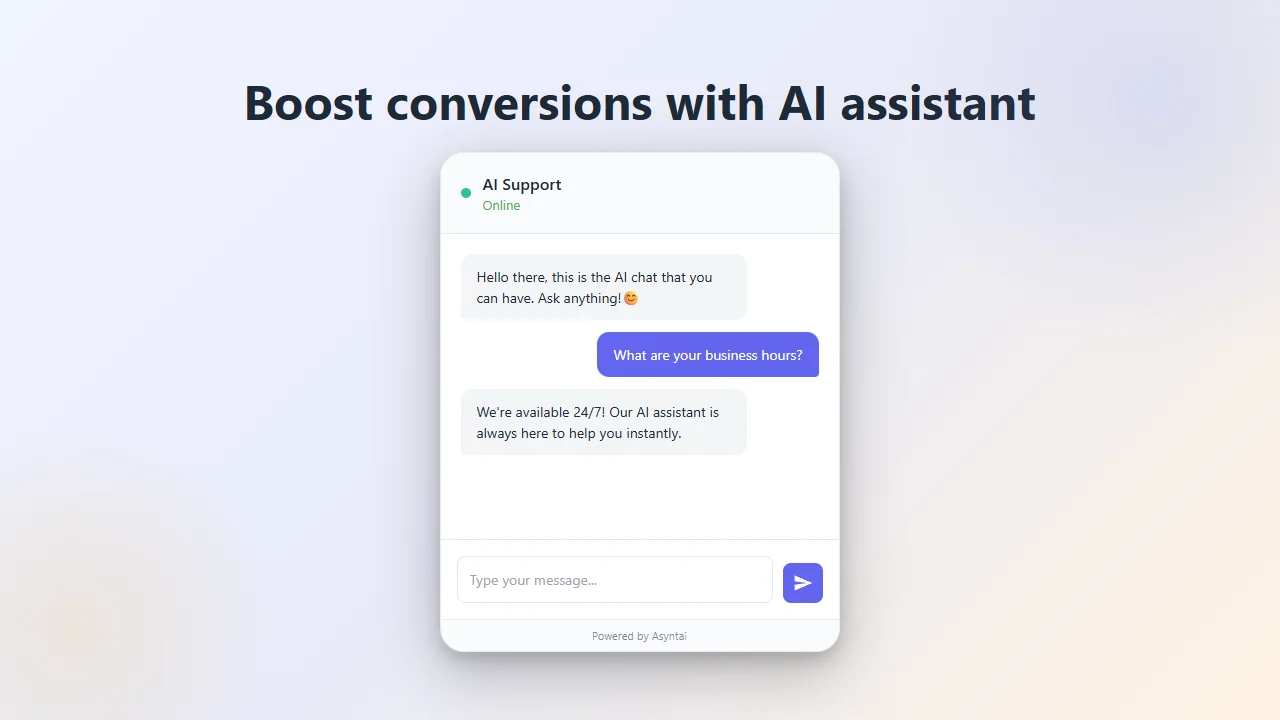
Front End Only, By Design
Nothing is added to your API layer, no schema is extended and no plugin is installed. The assistant lives entirely in the browser, which keeps the boundary between storefront and backend intact.
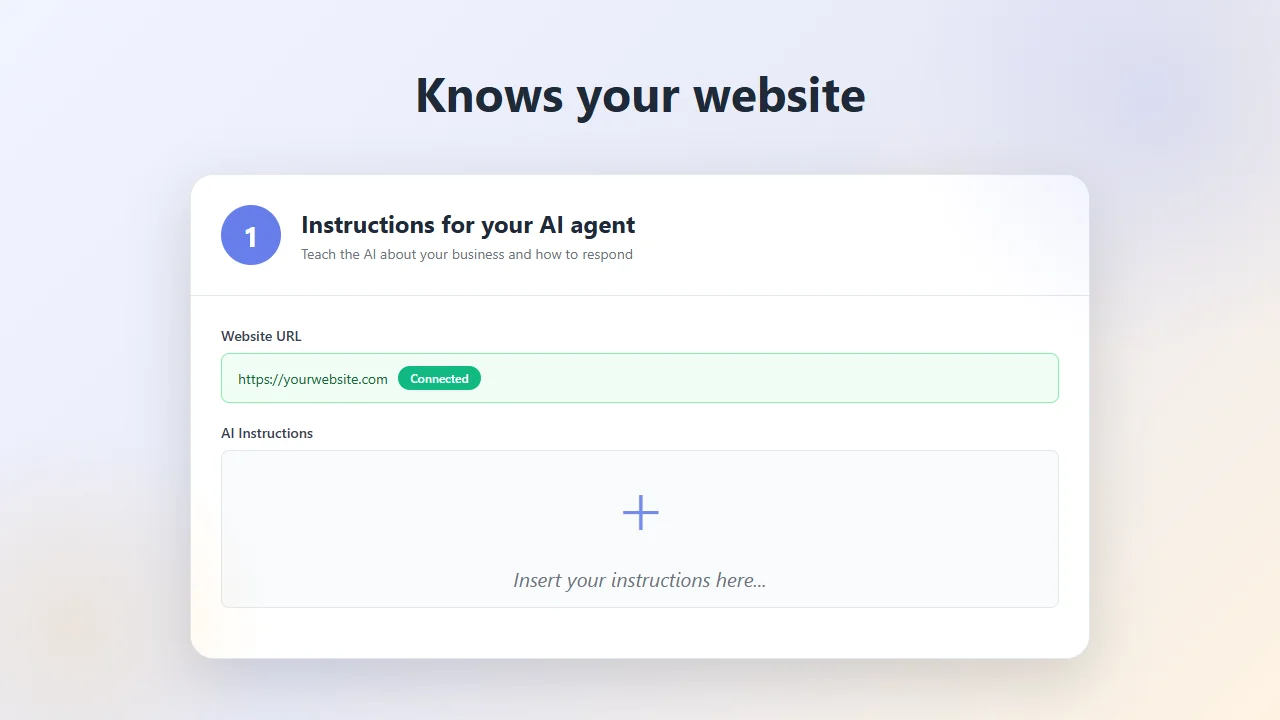
One Tag in Your Storefront
Whether the front end is Next.js or something bespoke, a plain script tag in the global layout is all that is required. No SDK and no build-time integration.
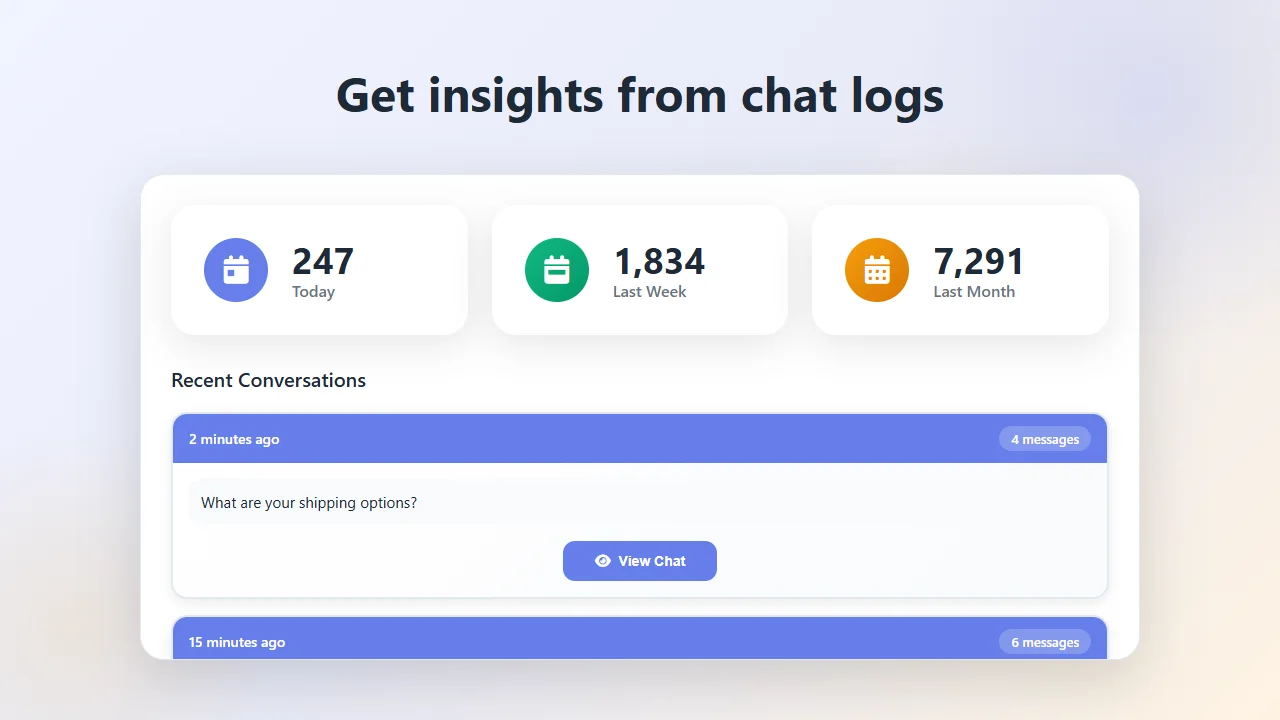
Reads the Rendered Storefront
It crawls the pages your storefront actually serves, so what it knows matches what customers see, regardless of how the data is assembled behind the scenes.
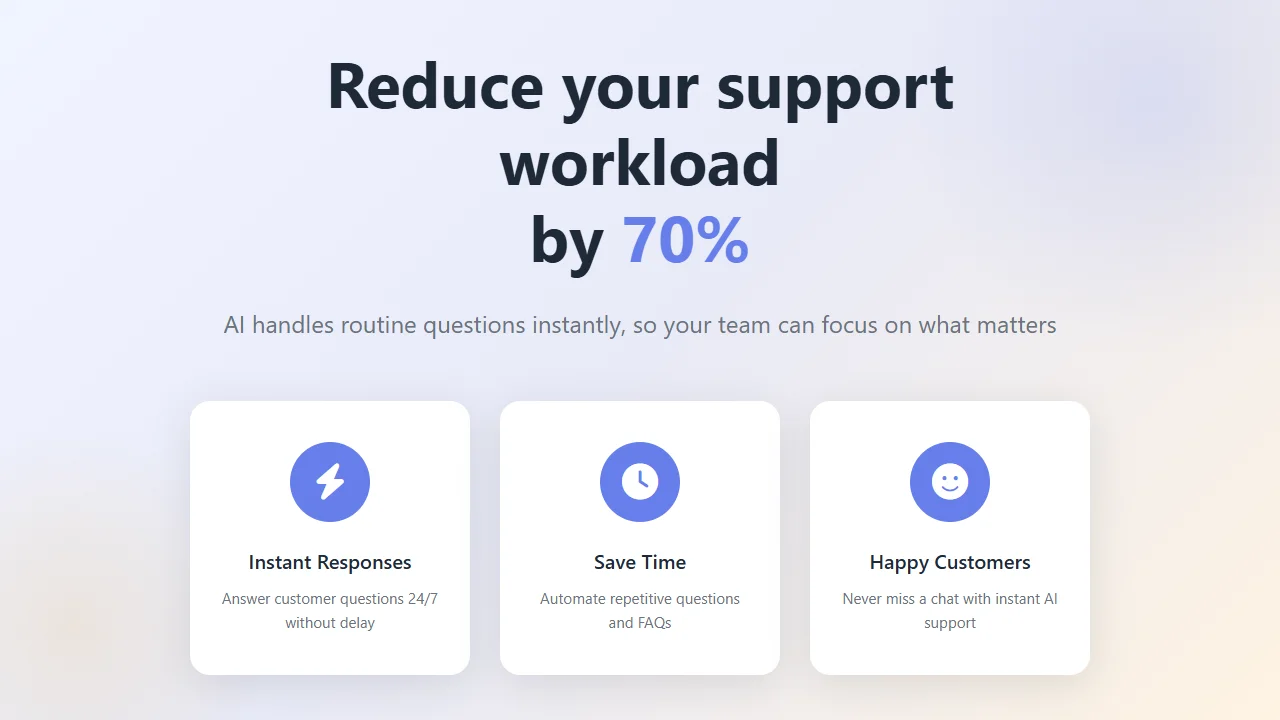
Covers the Support Gap in Headless Projects
Headless builds prioritise performance and flexibility; support tooling usually arrives last or never. This fills the gap without a services engagement.
Thirty-Six Languages
Detected per visitor, without locale plumbing in your front end.
Have any questions? Try our AI chatbot right now
Ask it anything - it is live on this page
Built for Reaction Commerce Merchants
One tag in the front end. No schema changes, no API plugin.
Respects the Boundary
Browser-side only, so your API layer, schema and plugins are untouched.
Framework-Agnostic
A plain script works on any front end, so it survives a rewrite of the storefront.
Knows What Customers See
It reads rendered pages rather than raw data, so answers match the storefront.
36 Languages
Detected per visitor with no locale wiring.
Configurable Behaviour
Tone, rules and knowledge managed outside the codebase.
No Fabrication
Answers come from your content; gaps are reported rather than filled.
Simple Reaction Commerce Integration
One script tag in your storefront covers everything. The API layer is untouched.
-
1
Sign up and copy your snippet
Create your Asyntai account, add your storefront URL so the AI can read your pages, then copy the snippet from your dashboard.
-
2
Add the tag to your global layout
Place it so it loads on every route of the storefront.
-
3
Load it after your content
Before the closing body tag keeps it out of the critical rendering path.
-
4
Deploy the front end
The assistant answers immediately. Nothing on the API side changes.
Sign up free and get your personalised snippet instantly - paste it once and the widget is live
Why Headless Teams Choose Asyntai
Start free with 100 messages, upgrade as traffic grows
No Backend Work
Support tooling stops being a backlog item that requires API changes.
No Performance Regression
Under 50KB, loaded after render, so the performance you built for stays intact.
Survives a Front-End Rewrite
Because it is a plain tag, replacing the storefront framework does not affect it.
Frequently Asked Questions
What headless teams ask first
What an AI Assistant Adds to a Headless Storefront
Headless Projects Postpone Support
Headless builds are usually justified on performance and flexibility, and the roadmap reflects that: rendering, caching, checkout, integrations. Support tooling is rarely in the first three phases and often never arrives.
A browser-side assistant fills that gap without competing for backend capacity. It requires no API work, so it can be added by whoever owns the front end in an afternoon.
Boundaries Exist for a Reason
The value of a headless architecture is the clean separation between storefront and services. Anything that requires schema extensions or API plugins erodes that separation and complicates future changes.
Keeping the assistant entirely in the browser preserves it. The backend remains a service with a defined contract, and the front end gains a capability without renegotiating that contract.
Rendered Pages Are the Honest Source
Data in a commerce backend is normalised and conditional; what a customer sees is the result of that plus business rules, pricing logic and availability. Answering from raw data risks describing something the customer cannot buy.
Reading the rendered storefront means the assistant knows what is actually presented, which is exactly what shoppers are asking about.
Performance Was the Point
Teams that go headless usually did so to control page weight and rendering. A support widget that blocks rendering or ships hundreds of kilobytes undermines the entire rationale.
Loading after content at under 50KB keeps the assistant within a sensible budget, so it can be justified without a performance argument.
Front Ends Get Replaced
Storefront frameworks change every few years. Integrations coupled to a framework become migration work, and migration work is where good tools quietly get dropped.
A plain script has nothing to migrate. Whatever the next storefront is built with, the tag moves across unchanged.
Ready to Add an Assistant Without Touching the API?
Start free with 100 messages and keep the boundary between storefront and backend intact.