AI Chatbot for MkDocs Documentation
One line under extra_javascript in mkdocs.yml and your documentation can be asked questions rather than searched. No theme fork, no plugin, no Python dependency.
Try it on your own docs for free
Enter your docs URL and see how an AI assistant would answer readers
See It In Action
For technical documentation built with MkDocs and Material
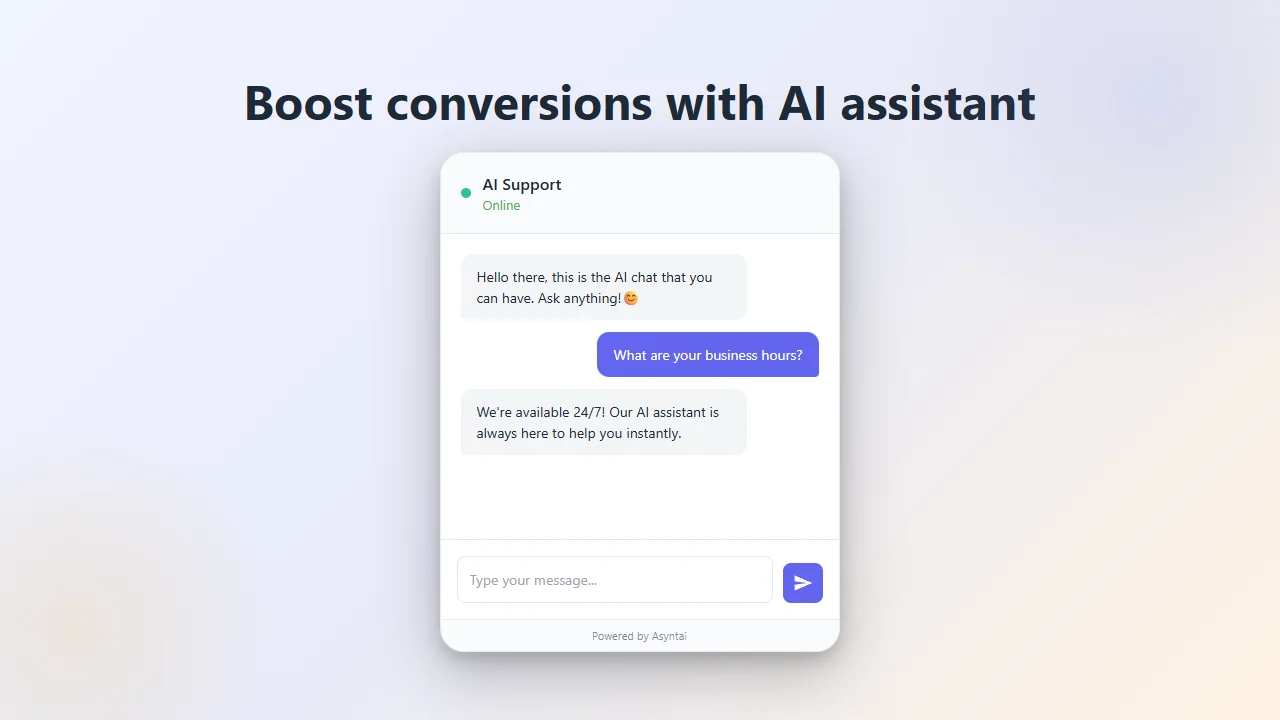
One Entry Under extra_javascript
MkDocs already has a configuration key for exactly this. Add the script there and it is emitted on every page, without forking a theme or writing a plugin in Python.
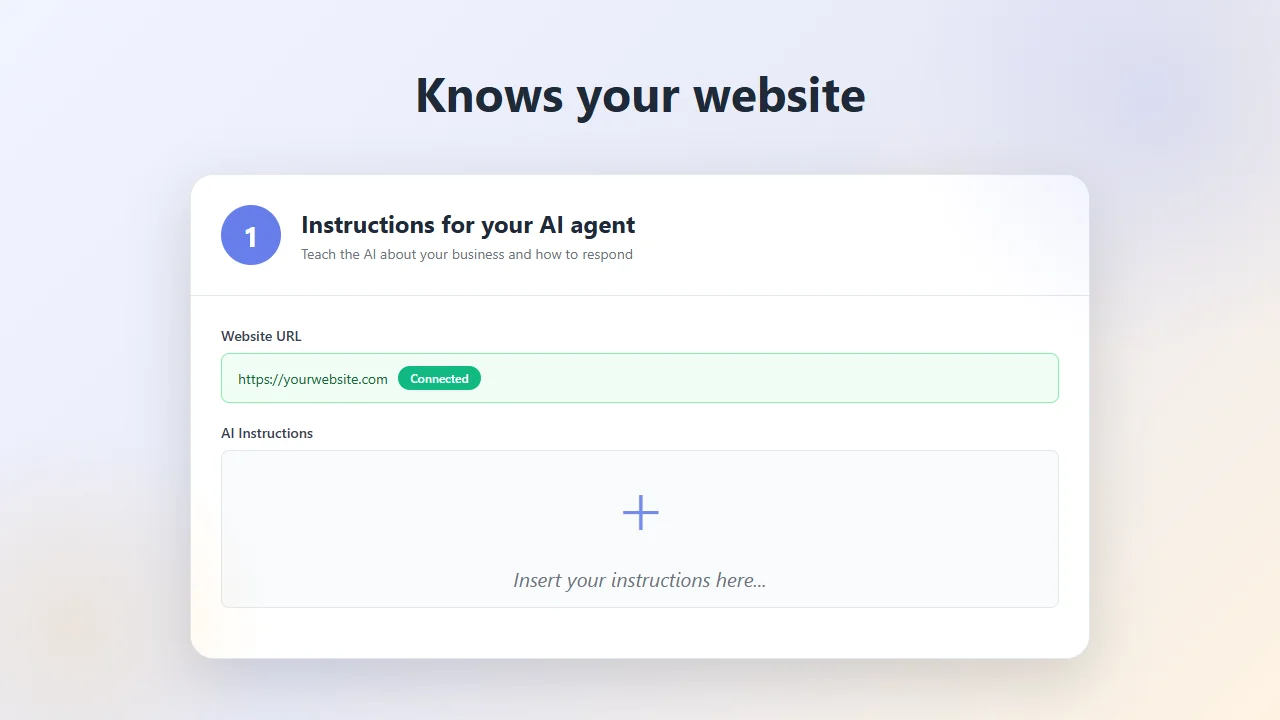
No Python Dependency Added
Nothing goes into requirements.txt, so your docs build environment and CI stay exactly as they are. There is nothing to pin and nothing to resolve.
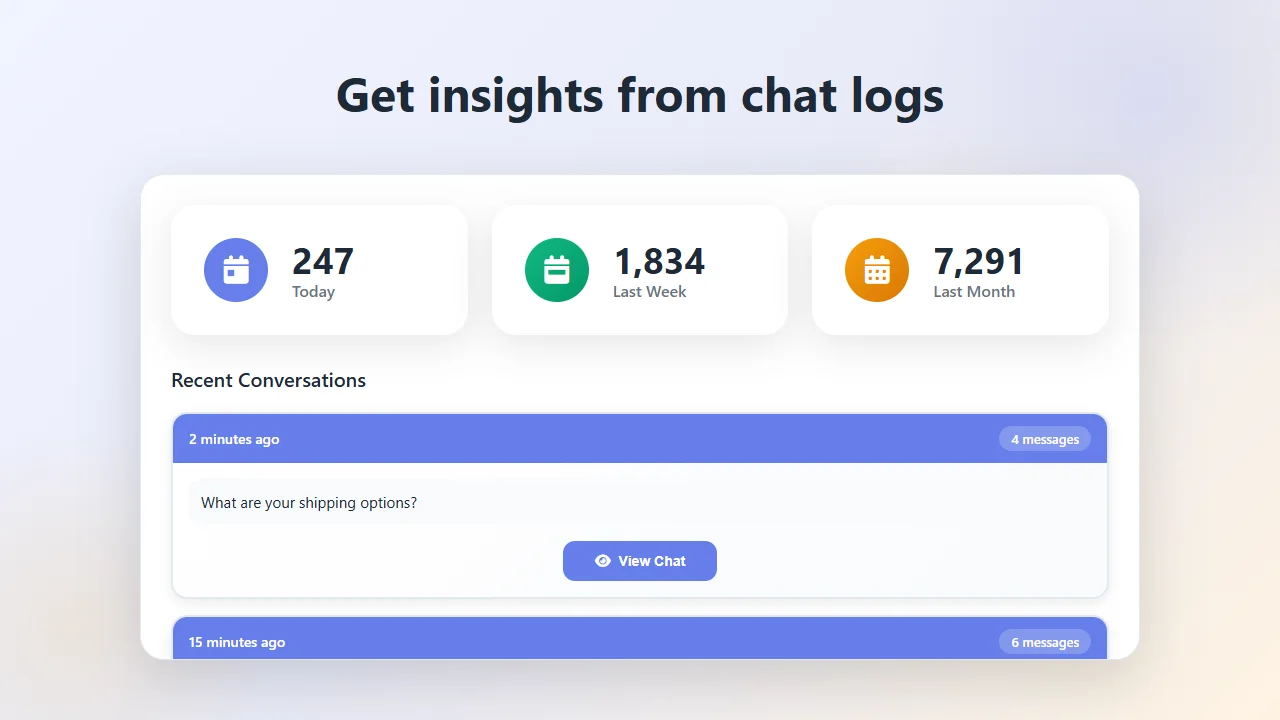
Answers Configuration Questions
Which setting controls that, why the default changed, what an option accepts. Reference documentation is precise and hard to navigate, which is a combination this handles well.
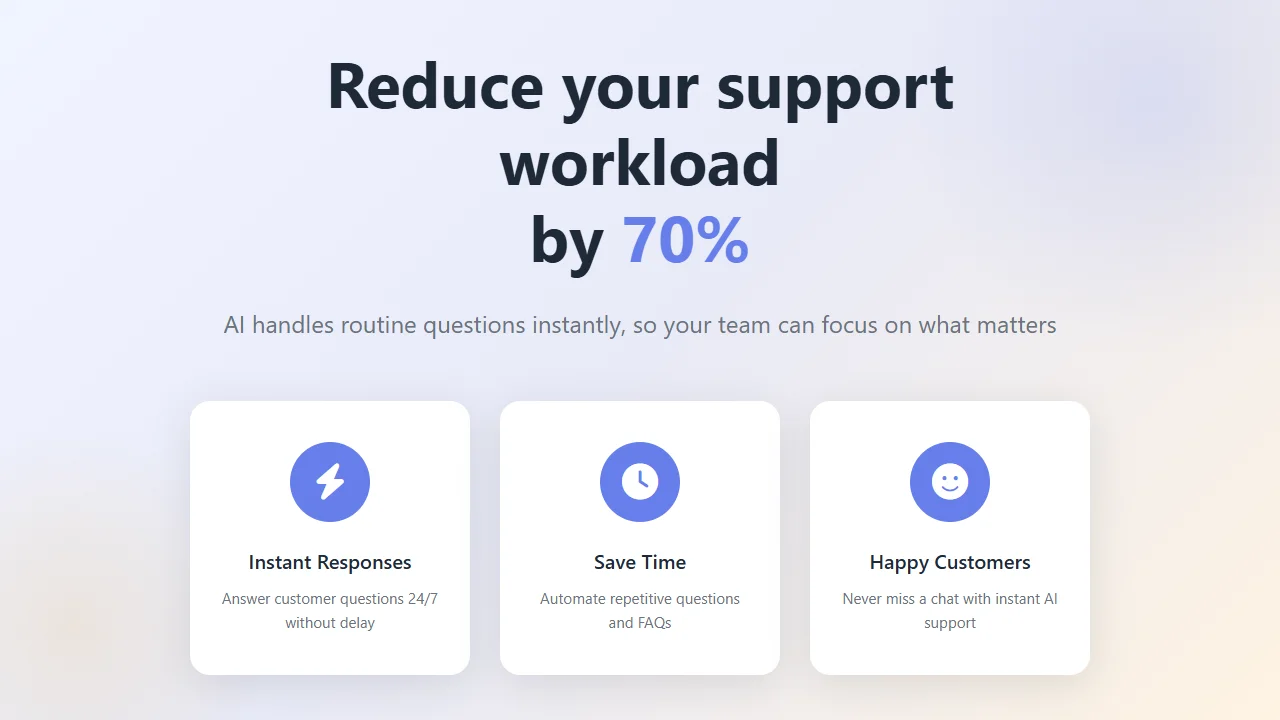
Complements Built-In Search
Search finds pages containing a term; the assistant answers the question. Readers who cannot phrase a query in your vocabulary get somewhere either way.
Thirty-Six Languages
Detected per reader, which helps when your documentation is English-only but your users are not.
Have any questions? Try our AI chatbot right now
Ask it anything - it is live on this page
Built for MkDocs Merchants
A single YAML key. Nothing in requirements, nothing forked.
Config Key, Not a Plugin
extra_javascript exists for third-party scripts; nothing else is needed.
Nothing in requirements.txt
Your build environment and CI pipeline stay untouched.
Good at Reference Questions
Options, defaults and accepted values answered from your own pages.
Works Alongside Search
Keyword search and conversational answers cover different readers.
36 Languages
Chosen from the reader’s message automatically.
No Invented Options
It will not describe a setting your documentation does not contain.
Simple MkDocs Integration
One entry in mkdocs.yml covers the site. No plugin and no theme changes.
-
1
Create an account, collect the script
Sign up, register your documentation address so it can be indexed, then copy the one-line script from the dashboard.
-
2
Open mkdocs.yml
Add the script under extra_javascript so it is emitted on every page.
-
3
Run mkdocs build as usual
Publishing works exactly as before; the key simply emits a tag into each rendered page.
-
4
Adjust behaviour outside the repo
Register, phrasing, supplementary PDFs and widget colour are all controlled from the dashboard.
Sign up free and get your personalised snippet instantly - paste it once and the widget is live
Why Documentation Teams Choose Asyntai
Start free with 100 messages, upgrade as traffic grows
Fewer Questions Reaching Engineers
Documented answers get delivered without interrupting anyone.
Evidence for What to Document
Unanswered questions are a prioritised backlog rather than a guess.
Non-Native Readers Helped
Answers in the reader’s language without translating a page.
Frequently Asked Questions
What documentation teams ask first
What an AI Assistant Adds to Reference Documentation
Reference Docs Are Precise and Unnavigable
A good configuration reference lists every option with its default and accepted values. It is also the hardest kind of documentation to read, because finding the relevant option requires knowing its name.
Answering by description rather than by name solves that. The reader explains what they want to change and gets the option, which is what an index cannot do.
Build Environments Are Fragile Enough
Documentation builds break for boring reasons: a pinned version, a transitive dependency, a Python patch release. Every added requirement raises that risk.
Nothing here enters the environment. The build stays as reproducible as it was, and CI is unaffected.
Questions Reveal Documentation Debt
Teams know their docs have gaps and disagree about which ones matter. Without evidence the argument is settled by whoever is loudest.
Logged questions settle it with data. The gaps readers actually hit, ranked by frequency, are a backlog nobody can dispute.
English Docs, Global Readers
Most technical documentation is English-only and read worldwide. The resulting friction is invisible in analytics but real in adoption.
Answering in the reader’s own language removes some of that immediately, at no translation cost.
Config Beats Code for Longevity
Plugins and forked themes are what make documentation upgrades painful years later. Both start as small conveniences.
A configuration entry survives version bumps and theme changes, and removing it is deleting one line of YAML.
Ready to Let Readers Ask Your Documentation?
Start free with 100 messages and add one line to mkdocs.yml.